Carnivore and Ketovore Way of Eating
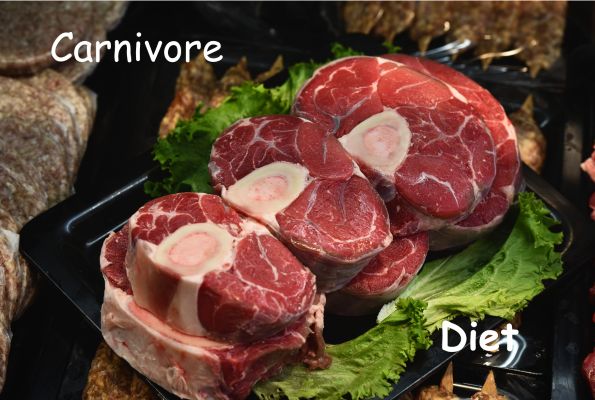
The carnivore way of eating is viewed as an extreme version of the ketogenic (keto) diet. The main difference is the carnivore diet eliminates all carbohydrates and focuses primarily on consuming meat. As with any change in diet please consult your doctor prior to starting for discussion for change, baseline testing and monitoring for any potential issues.
All animal meats (beef, pork, chicken, turkey, sheep, fish and more) are acceptable on the diet to also include organ meats, which are the richest in many key nutrients. Eggs and a small amount of dairy are also considered a meat and allowed on the diet. This diet mimics our old ancestral way of eating and is becoming a favored diet for many reasons.
Why do People Choose a Carnivore Diet?
There are many reasons people choose this way of eating and for some it has become a necessity. Some believe it is a cleaner means of eating mimicking our ancestral diets of meat and fish. Some believe the higher carbohydrate diets of today have helped fuel the current obesity epidemic and sharp increase in chronic diseases.
Some also believe and can prove that carnivore diets significantly lower inflammation levels thus reducing pain and swelling as we find in those of us with Lipedema. The carnivore way of eating helps provide greater satiety thus reducing the need to snack throughout the day. It also improves mental clarity and reduces fatigue associated with sugar spikes and drops. And of course, many report reduction in unwanted weight and better weight management efforts.
Many people interviewed while consuming a Carnivore diet noted improved health markers, less inflammation, greater health benefits and overall general satisfaction with this way of eating. (1)
How do People Get Started?
As you read in the previous article on the ketogenic diet, there are many benefits of lowering your carbohydrate intake and reducing your inflammation levels. Many people cannot flip a switch a start eating a carnivore diet the next day and will find it easier to ease into the new way of eating. The goal is to adopt sustainable eating habits so making small changes over time will reduce the “keto flu” effect and carbohydrate cravings.
Start by assessing how much sugars you are ingesting daily and work to reduce them. Evaluate your cooking, baking and eating oils and change out any PUFA (polyunsaturated fatty acid) oils to oils that are high in Omega-3s, such as Extra Virgin Olive oil, Coconut oil, Avocado oil, ghee, tallow and butter. Start eliminating higher carbohydrate foods and eating more meats. Eventually you will be eating a carnivore diet and using ketones instead of glucose as your body’s energy source.
Make sure you eat enough fat and protein daily. Fats are essential for maintaining ketosis and processing your fat-soluble vitamins (vitamin A, D, E and K ) and should be readily available in your meat choices. Ideally daily protein intake should be 1.2 to 1.5 grams per your daily body weight measured in kilograms. (For example, an ideal weight of 180 pounds or 81.6 kilograms would consume between 98 and 122 grams daily.)
Foods to Eat and Avoid
Foods to Eat
As mentioned above all single ingredient animal-based meats are allowed. This also includes organ meats, such as liver and kidneys, which are high in nutrients. The greater the diversity of meats the better effects on energy levels and immunity within the human body.
However, not all meats are created equal. The quality of meats can be an important factor, especially for those with digestive disease and conditions, such as Celiac disease or dairy allergies. Some animals bred in the United States are raised in confined environments and fed lower quality or unnatural food. For example, cows may not be allowed to graze on grass in a pasture and be fed a diet of corn meal and assorted grains, which includes wheat (a problem for those with Celiac disease), thus degrading the quality of the meat. Studies suggest that grains fed to cows could also pass through into their milk thus aggravating those with dairy allergies. Whenever possible and financially feasible, choose grass-fed, pasture-raised and organic meats and eggs that offer better nutritional value and less adverse conditions for humans.
Processed meats, such as bacon, sausages and hot dogs, may also provide nutritional value as long as they are free from additives and contain a large amount of meat.
Foods to Avoid
Meat is the main ingredient in a carnivore diet and therefore there are many food groups to avoid. Here is a short list of foods to avoid when eating carnivore.
- Sugars – table sugars, syrups, honey
- Fruit – all fruits, berries, etc.
- Grains – wheat, corn, oats, barley
- Vegetables – all ground and below ground vegetables
- Nuts and seeds – almonds, walnuts, pumpkin, chia, flax
- Legumes – peas, peanuts, lentils, beans, chickpeas, lupins
- Beverages – soda, juice, alcohol, shakes, some teas and coffees
- PUFAs – canola, corn, sunflower, soybean, flaxseed oils
Many of the above foods turn to sugars when digested creating weight gain and possible inflammation issues. Eliminating these foods may also be beneficial for those with serious digestive issues, such as SIBO (small intestinal bacterial overgrowth), SIFO (small intestinal fungal overgrowth) or Candida.
Ketovore Way of Eating
Ketovore is essentially a hybrid way of eating between the Ketogenic diet (focus on higher proteins and fats and low carbohydrates) with a Carnivore diet (mainly meat and fish). Ketovore adds in strategic elements such as leafy green or cruciferous vegetables and limited dairy products. This adds some variety if a carnivore diet is not sustainable or someone may be transitioning from a ketogenic diet to a carnivore diet.
The main focus of the Ketovore diet is still consumption of meats as outlined above and avoiding the foods, especially those higher in carbohydrates, in the list above. In addition to the identified vegetables, some will add occasional berries, some seeds and nuts and dairy, including cheese, cream and Greek yogurt.
The goal of the Ketovore diet is still the same as Carnivore and Ketogenic diets to maintain ketosis, burning fat instead of sugars for fuel, stabilizing blood sugar and increased sustained energy levels. The main difference between the three ways of eating is outlined below.
| Item | Ketogenic | Ketovore | Carnivore |
|---|---|---|---|
| Carbohydrates | 20-50g daily | >20g daily | 0g daily |
| Meats (Proteins) | Moderate | High | High |
| Fats | High | Moderate | Moderate |
| Plants | Limited | Very limited | None |
| Dairy | Limited | Very Limited | Very Limited |
Many people interviewed while consuming a Ketovore diet noted improved health markers, less inflammation, greater health benefits and overall general satisfaction with this way of eating. (1)
Special Nutrition Note
You should always consult with your medical professional before changing your way of eating for guidance and monitoring. Some may choose to eat a Ketogenic, Ketovore or Carnivore diets for one of the reasons listed above or you may be forced to change your way of eating due to digestive health issues. There are several items you need to aware of during your journey.
First, you may experience potential nutritional deficiencies. You may need to get some baseline testing done to ensure you are not currently deficient in any key vitamins or minerals. Once you start the new way of eating you and your medical professional may want to schedule a regular review of those values to ensure you do not experience any deficiencies.
Second, there are not enough studies to demonstrate negative side effects of eating a Carnivore or Ketovore diet. However, there are some preliminary studies that show high consumption of protein may lead to increased cardiovascular issues. Some of this may influenced on a current person’s health, such as if they are a smoker, if they have current cardiovascular conditions, have identified cholesterol issues, their current set of chronic diseases, their current BMI and more. It may also depend on the total daily consumption of protein. (2)
Third, there are also studies that may show some impact of kidney function with higher protein intake. Preliminary studies show very little impact on kidney function unless you suffer from chronic kidney disease (CKD). Your medical professional will help guide you on safely implementing and monitoring your progress on either a Carnivore or Ketovore diet. (2)
Fourth, a small amount of studies show an increase in the formation of kidney stones when increasing protein intake, especially for those with a previous history of kidney stones. An increase in animal protein increases the calcium and oxalate levels within the kidney as well as the uric acid output. Without adequate dairy intake the kidney cannot bind with excess oxalates and flush it out of the system. Adequate hydration along with an increase in citrates will help mitigate the flushing of excess deposits in the kidneys. (3)
Digestive Disorders and the Carnivore and Ketovore Diets

Most people who suffer with digestive disorders like IBS (irritable bowel syndrome), SIBO, SIFO and Candida will find relief from eating a Carnivore diet to start and perhaps eventually move to Ketovore or Ketogenic diet once the digestive tract heals. This may also apply to those with intestinal permeability (aka “leaky gut”) and autoimmune issues. Harmful undigested food that leaks out of your tract into your body or bacteria that grows out of proportion can seriously disrupt your ability to properly absorb food and nutrients thus leading to malnutrition issues.
If you are diagnosed or suspect you have one of the aforementioned digestive disorders and find you cannot successfully eat and absorb the food you normally eat, you will need to adapt to a new eating plan, even if temporarily, to start healing your system. Most nutritionists, gastroenterologists and naturopaths will recommend a low FODMAP (Fermentable Oligosaccharides, Disaccharides, Monosaccharides, and Polyols) diet, which are foods easily digestible, do not ferment in your system or contribute to the food the bad bacteria thrive on.
Even on a low FODMAP diet you may still experience “trigger” foods that cause stomach distress resulting in bloating, cramping, pain, gas, abdominal distention, diarrhea or constipation for periods of time. You will need to avoid these trigger foods and create a safe list that promotes healing. Eventually you will be able to add back in some of these foods. Healing timeframes vary from person to person and depends on other conditions or illnesses being experienced.
It should be noted that most people with SIBO, SIFO and Candida will usually need to undergo an initial purge process where the bad bacteria imbalance is addressed. Some will choose a naturopathic antimicrobial and antifungal process while others may choose a targeted antibiotic regimen to “kill off” the bad bacteria. (Note: you will also be killing off some of the good bacteria too.) This may take up to two weeks to accomplish and then you can move into the repair and rebuild phase where you will eat only those safe foods for healing. For some this may mean a Carnivore diet as protein is easily digestible and does not feed the bad bacteria.
Carnivore and Ketovore Way of Eating Summary
There are many good reasons to pursue a Carnivore or Ketovore way of eating, including improving your overall health. Some prefer eating once or twice per day with the satiety and sustained energy that comes with this way of eating. Improving metabolic health, regulating blood sugar and maintaining a healthy weight are some valid reasons to embark on these eating plans. For those with Lipedema it is documented that a Ketogenic eating plan along with Ketovore and even Carnivore plans help reduce inflammation levels thus keeping pain and swelling low. And for those with digestive disorders may find these two eating plans are the best to sustain their nutritional needs while they address issues like IBS, SIBO, SIFO and Candida. It is recommended you work with your medical professionals to monitor your health outcomes on these eating plans.
My Personal Story: I suffered with SIBO for over 10 months with daily persistent diarrhea resulting in bathroom visits of 10-20 times per day. All the normal GI tests showed no problems and my gastroenterology team said there is no real test for SIBO. I suffered terrible absorption problems resulting in malnutrition and vitamin and mineral deficiencies. including iron-deficient anemia. My Naturopath who was treating my thyroid problems, which by the way turns out to be the source of the SIBO development, was able to diagnose me with SIBO following a breath test through TrioSmart. I used natural antimicrobials and antifungals to detox the SIBO although an emergency dose of antibiotics for a non-related issues helped complete the detox. I found the only thing I could was a Carnivore diet and after several months I am up to a Ketovore diet. My digestive tract is healing very slowly as I also have Celiac disease and was accidentally glutened at Thanksgiving. My system took a bad beating from several conditions all at once recently so healing will take time. I also discovered during this process I am dairy intolerant and was causing high levels of inflammation. Once I stopped eating all dairy I significantly reduced my inflammation and also started losing weight. I can honestly say 2025 was quite a tumultuous year for my health and at one point it became life threatening. Much was learned during this process and I feel I am in a better position to heal my body. I am hoping to move to a Ketogenic diet at some point to continue supporting my Lipedema and Lymphedema pain and swelling.
To your improved health!
References:
- (1) National Library of Medicine: National Center for Biotechnology Information – Behavioral Characteristics and Self-Reported Health Status among 2029 Adults Consuming a “Carnivore Diet”
- (2) National Library of Medicine: National Center for Biotechnology Information – High Protein Intake Associates with Cardiovascular Events but not with Loss of Renal Function
- (3) ReachMD – The Carnivore Diet: Weighing Its Impact on Kidney Stone Formation