SIBO: Treatment and How to Know if You’re Healing – Part 3
What is SIBO Treatment?
There are treatment options to carefully consider once you are diagnosed with SIBO. The healing path you choose will depend on your type of SIBO. There is no right combinations, only what works for your system. Whatever treatment options you choose there are three basic tenets you need to consider.
First, you need to accept that SIBO recovery is not a quick or easy process. It will take time, sometimes months, and dietary changes are necessary to heal your digestive tract. You will also need to recover from any malabsorption or malnutrition issues. The more you deviate from the protocol, the longer and more painful it will be to heal, so discipline will be key in moving through this process.
Second, you will have to choose which path, antibiotics, antimicrobials or neither, you want to follow to start the SIBO die-off process. It is a personal decision that you will want to discuss with your doctor so they can advise and monitor your progress. Please note the antibiotic and antimicrobial routes are destructive and will “kill off” BOTH the bad and good bacteria in your system as there is no way to differentiate the two with the treatments.
Third, any complications you encounter could change or delay your treatment as you address the complication(s) first. Some complications can be debilitating too, slowing or even stalling your SIBO healing. You may have to alter your detox process, dietary changes or add additional medications to address the evolving situation. Be patient and adaptive so you can continue to heal.
Let’s take a look at treatments and how to know if you’re healing.
SIBO Treatment Approach
Once you have been diagnosed with SIBO (any of the versions) you will need to develop a treatment path to restore the imbalance. These include a detox process, a change in diet, possible supplements, and how you eat during recovery. Treatment options often operate in two phases. The first phase defines what you need to do to attack the SIBO and start to heal. The second phase is cleaning up your gut and slowly restoring normal foods.
While some doctors recommend one protocol over another, many doctors subscribe to a bi-phasic approach where phase one is a “reduce and repair” protocol and phase two is a “remove and restore” protocol. I have personally had success with this approach as it logically eases you into recovery at a pace the body can handle.
The “reduce and repair” phase will focus on reducing the amount of bad bacteria in your small intestine and gut and starting to repair the damage done by the imbalance. It is imperative you adhere to this healing protocol and complete this phase before attempting to move on to the next phase. This is particularly important if you are addressing root causes or complications along with SIBO.
Let’s explore the options most commonly prescribed to treat SIBO. You and your doctor can develop a plan that works best for your situation. It is important to follow an established protocol to facilitate your healing and avoid relapse.
Antibiotics
Rifaximin is the most commonly prescribed antibiotic for confirmed hydrogen or hydrogen sulfide SIBO types. Rifaximin combined with Neomycin is the preferred choice for those with methane based SIBO. The treatment cycle is usually 10-14 days but may take two or more rounds of treatment during the healing process if not fully effective the first time.
Rifaximin is a targeted antibiotic, only acting on the digestive tract. It has low absorbability so does not readily enter the bloodstream. Rifaximin is considered a beneficial antibiotic that can help promote eubiosis, which is the “normal healthy” levels of microbes in the gut microbiome. Rifaximin is able to reduce bacterial virulence and translocation, has anti-inflammatory properties and has been demonstrated to positively modulate the gut microbial composition unlike other antibiotics that cause serious damage to the intestines and microbiome. (1)
An important consideration is the cost of the antibiotic. Many healthcare organizations do not cover the costs of this medicine so you may have to pay out of pocket. Costs can range from $2,000 to $3,000 for each 10-14 days supply. (Note: some doctors may be able to get the antibiotic from outside sources, usually Canada, for $250 to $350 per dose. These are usually Naturopaths or Functional Medicine doctors.)
Some doctors may switch to antimicrobials if the first round of antibiotics proves ineffective.
Antimicrobials
Antimicrobials are generally recommended if you choose not to use antibiotics. They usually contain antifungals too as SIFO is a common comorbidity of SIBO, This can be beneficial for those who prefer to avoid or cannot take antibiotics. They are usually prescribed by Naturopaths or Functional Medicine doctors.
Many report antimicrobials to be just as effective, if not more, than antibiotics. Medical studies report patients with SIBO had a 46% effective rate for herbal therapies versus 34% for those taking Rifaximin. (2)
The most common antimicrobial combination prescribed are FC-Cidal and Dysbiocide. While these are over the counter solutions and can be taken as a supplement for enhanced gut health, you should consult with your doctor before using for SIBO treatment for proper dosage and monitoring.
There are other over the counter antimicrobials you can use to help reduce the SIBO imbalance. Among one of the best is Berberine. Berberine has been studied and is well documented as an anti-inflammatory, antidiabetic (helps in regulating insulin resistance), antihyperlipidemic and cardioprotective effects as well as regulation of gut microbiota. (3) Berberine comes in both regular strength (Berberine HCL) and a slow release formula (Dihydroberberine) for those who may have gut sensitivities.
Probiotics and Prebiotics
Many people believe you cannot take a probiotic or prebiotic when trying to heal SIBO as adding more bacteria to your system will make your SIBO worse. The following will present the basics of what to look for in a pre/probiotic as well as what to avoid. Research has determined both the Lactobacilli along with several species of Bifidobacterium are most beneficial in helping restore the good bacteria in your system.
“Probiotics are defined as “live microorganisms which when administered in adequate amounts confer a health benefit on the host”. These microorganisms may produce antimicrobial substances, modulate the host’s immune system response, protect from pathogenic bacteria adhesion to the epithelium, stimulate mucosal IgA production, and inhibit bacterial toxin production.” (4)
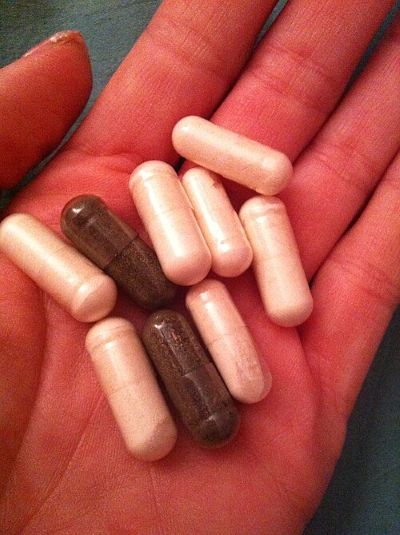
When reviewing probiotic options look for strains that include some or all of the following. Note, you should be working with your medical professional to help choose the right probiotic for your situation,
- Bifidobacterium breve
- Bifidobacterium longum
- Bifidobacterium infantis
- Bifidobacterium bifidum
- Bifidobacterium lactis
- Lactobacillus acidophilus
- Lactobacillus plantarum
- Lactobacillus paracasei
- Lactobacillus bulgaricus, and
- Lactobacillus rhamnosus (4)
You can also ingest key fermented foods such as kefir, pickles, yogurt, and kimchi which are rich in probiotics. However, your digestive system may be too sensitive in the beginning of SIBO to tolerate these foods. You can try introducing them in a couple weeks and sporadically thereafter until they are well tolerated.
Stay away from anything that contains the bad bacteria that fosters the SIBO. This includes:
- Escherichia coli (E. coli)
- Klebsiella
- Streptococcus
- Bacteroides, and
- Enterococcus species
Prebiotics are non-digestable carbohydrates that pass through the digestive tract into the colon where it “seeds” (much like you seed a lawn) the good bacteria into growing new healthy bacteria, increasing nutrient absorption, promotes digestion and improves overall gut health. Common prebiotics include inulin, galactooligosaccharides and fibrous carbohydrates, such as unripe bananas and apples with skin. Common prebiotic foods include raw garlic, onions, chicory root, asparagus, oats, and bananas.
Some people may choose to take a prebiotic in addition to a probiotic. Much will depend on whether your system can tolerate supplements or natural prebiotic foods, especially early in the imbalance.
Probiotics I have taken include Douglas Laboratories Multi-Probiotic 40 Billion and Physician’s CHOICE Probiotics 60 Billion CFU with Prebiotics. Do your research and find a probiotic that contains at least the Lactobacillus and Bifidobacterium strains.
Please note that some people may not tolerate certain brands of prebiotics or probiotics. You may need to switch to a different brand for a tolerable and effective solution. You should also consider you may not be able to take probiotics at the beginning of your SIBO imbalance as your digestive tract may not tolerate or be able to process the contents of the supplement. You may need to wait a week or two before introducing them.
Treatment Cautions
Activated Charcoal
Whether you choose antibiotics or antimicrobials for treatment you may experience herxheimer effects. This is a flu-like effect caused by the bad bacteria die-off process or from an immune response if this bacteria leaked from your intestines into your bloodstream. However this reaction happens, you don’t need to suffer through the process. Most find relief by taking activated charcoal, which quickly absorbs the endotoxins being released before they can provoke a reaction.
Additional Herxheimer Help
There are additional things you can do if activated charcoal is not enough to address your discomfort. Here is a great video explaining the immune response and what you can do to mitigate it during your die-off process.
Oil of Oregano
Bacteria are encased in an extracellular polymeric substance (EPS) matrix, or biofilm, that helps protect the bacteria from the effects of the antibiotics or antimicrobials. Biofilm protection is part of the reason SIBO is persistent and can recur even after being healed. You may consider taking a biofilm disruptor during treatment to enhance the work of the antibiotic or antimicrobial treatment. One of the best and easily tolerated disruptors is oil of oregano. A binding agent, such as activated charcoal, would also help with the cleanup of endotoxins produced by the biofilm breakdown.
Imodium
Imodium is a anti-diarrheal medicine for treatment of diarrhea, gas, bloating, cramps and pressure. You need to drink plenty of clear fluids to help prevent dehydration caused by diarrhea, such as water or electrolyte drinks. You take Imodium only on an empty stomach (1 hour before or 2 hours after a meal with a full (8 oz.) glass of water. You can use Imodium throughout the day to try and slow down the diarrhea or use at night to minimize night time bathroom trips allowing more sleep time. Imodium is not meant to be used long term.
Diet
Diet is a key component of SIBO reduction and repair in phase one. The goal of eating during phase one is to choose foods that are easy to digest and do not ferment in your small intestine. Fermentation creates excess bacteria which feeds the bad bacteria already infesting your system. Basically, you should avoid sugars, carbohydrates and fiber as they will produce excessive hydrogen, methane, or hydrogen sulfide gases, causing additional symptoms like severe bloating, abdominal pain, inflammation, malabsorption, and diarrhea or constipation.
It is probably the most confusing aspect of recovery as health professionals differ on which eating plan works best for SIBO repair. You should evaluate any recommended plan carefully and understand why you should be eating or avoiding certain foods in this phase. Much will also depend on your current food tolerances, sensitivities and allergies. It is imperative you understand your choices but also listen to your body as you start any new eating plan.
There is no prescribed timeline on how long you need to continue following your chosen eating plan or strategy. Much will depend on the severity and persistence of your SIBO symptoms. Some may see and experience rapid relief in one to two weeks while others may need a month or more to heal. (Some of us needed a couple months to heal as there were nutritional deficiencies that had to be addressed first.)
The goal is to try to reintroduce a “normal” eating pattern as quickly as possible. You do not want to live with a restricted diet too long as it could compromise your body’s need for balanced minerals and vitamins. You need to try and avoid malabsorption and malnutrition issues at all costs. The best thing you can do is to rebuild your gut health (restoring the microbiome and strengthening the gut wall) and make it as bulletproof as possible from SIBO.
Elemental Diet
Some health professionals will recommend an Elemental Diet. It is a 14-21 day liquid diet plan, available as a pre-mixed liquid or mixable powder, of predigested nutrients that essentially starve the bad SIBO bacteria. Some may need to be on the diet longer depending on the severity of the SIBO imbalance and ability to digest solid foods. The idea behind this diet is that the nourishment is predigested so the body doesn’t have to work hard to digest food, especially if there is impaired pancreatic digestive enzyme production.
Some people report the lack of palatability of the formula, but manufacturers are working to improve the taste. You may experience some weight loss and even diarrhea, fatigue or hunger while on the diet.
Here is a sample elemental diet product and plan.
Bi-Phasic Diet
The Bi-Phasic diet combines the low FODMAP (fermentable oligosaccharides, disaccharides, monosaccharides, and polyols), and Specific Carbohydrate Diet (SCD). (Note: the SCD is commonly prescribed in treating Irritable Bowel Disease and may have applications for SIBO treatment.) It consists of two phases with phase one focusing on reducing bad bacteria and repairing the digestive tract lining. It lasts four to six weeks. In phase two, it focuses on removing any remaining bad bacteria and restoring normal motility. This phase can also last four to six weeks or even longer depending on how well you heal.
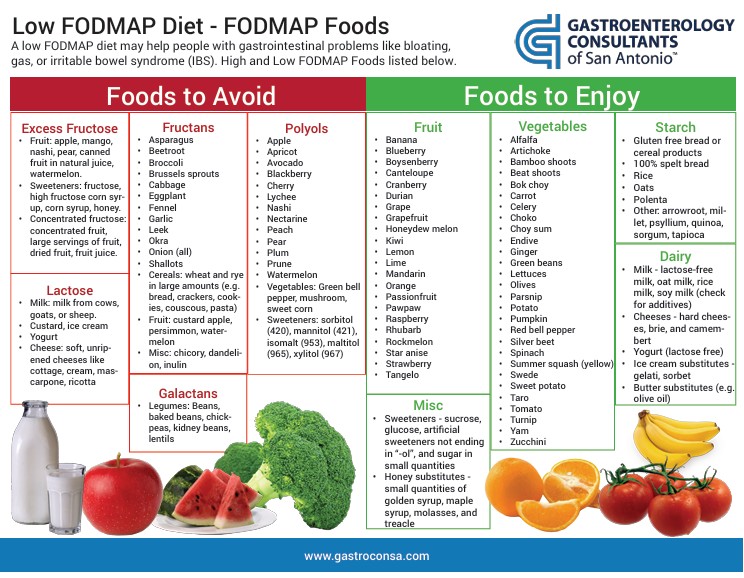
In phase one you will eat foods that are low FODMAP, easy to digest and will not feed the bad bacteria present in your system. You will need to identify and remove any foods on the list that are trigger foods, allergies or activate sensitivities. This may include high histamine foods that trigger mast cell reactions, high oxalates if you experience kidney stones, low inflammatory foods that trigger an immune response, or gluten if you have Celiac disease or non-Celiac gluten sensitivities. You will be on antibiotics or antimicrobials or perhaps managing SIBO through diet and natural supplements during this phase.
In phase two you should notice your symptoms subsiding and your motility improving. You should now be able to slowly add back in foods very slowly to see if your system will tolerate it. If you cannot tolerate a food on the list, back off for a while to prevent any relapses. You can try reintroducing some of these foods in a few weeks until they are well tolerated. Your health professional may decide to stop the antibiotics or antimicrobials during this stage if your symptoms indicate you are healing well.
Carnivore and Ketovore Diets
Many people have found a low FODMAP eating plan to be a good place to start with foods that are tolerable. However, some people may have special dietary needs that further whittles down the low FODMAP list. This includes applying a gluten-free, dairy-free, low histamine, low oxalate, no nightshades or low inflammation filter to the foods on the “good” list. In many cases this leaves a mostly protein diet.
The bad bacteria in SIBO prefer carbohydrates or sugars to foster their growth. While they can break down the amino acids in protein it is more difficult for them to digest it. Many have found eating simple untreated meats (chicken, beef, fish, eggs, etc.) with minimal fat is the best tolerated food with the greatest chance of absorption. Studies are showing eating a carnivore diet to be an acceptable therapeutic means of treatment for SIBO. If you choose a carnivore diet you may need to test occasionally for elevated levels of ammonia production and any negative impacts to the kidneys.
Eventually you may want to try elevating to a ketovore diet, which is a plan between carnivore and ketogenic. This will allow for a more nutritionally diverse group of foods. You would make choices in carbohydrates that are simple sugars and do not ferment in the gut. You can add more foods as your healing progresses. At some point you will be able to resume a ketogenic diet if that is your preferred eating plan.
Read more about carnivore and ketovore eating plans.
Prokinetics
Prokinetics are used to improve gastric emptying and relieve symptoms of gastroparesis. These are primarily used for those with methane-based SIBO where constipation is a major symptom. They can help with gas and bloating relief as well as promote bowel contractions that facilitate motility. (5)
They are available as a prescription as well as over the counter. You can also eat foods that have these natural ingredients in them to gain these benefits naturally, which primarily include ginger and artichoke. Some over the counter options include:
Meal Spacing
Meal spacing is an important consideration when implementing an eating strategy. It is not only important for the “rest and digest” aspect of your digestive tract but it is essential for the MMC to function. As you have read the MMC is a critical housekeeping function that “sweeps” the undigested food particles, endotoxins and bad bacteria sitting in your small intestine.
The MMC activates at least 90 to 180 minutes after you eat a meal and needs between three to four hours to do its “sweep”. If you keep grazing or eating more frequent meals the MMC will not activate, which allows the bacteria to continue to grow in your small intestine. Keep this in mind when planning your meals and rest times.
This may sound like your grandmother but eating three nutrition packed meals a day, ideally spaced three to four hours apart, is the best approach to nourishing your body and allowing critical housekeeping functions to do their job. Do not skip meals or reduce your calories as this will lead to further malabsorption, nutritional deficiencies and malnutrition issues.
SIBO Healing
How can you tell if you are healing from a SIBO imbalance? SIBO healing requires an extensive amount of patience and adherence to a healing protocol. Doctors usually define healing in two phases, “reduce and repair” and “remove and restore”, each with their own characteristics and targeted treatment.
Again, healing takes time and can take as little as two weeks or as long as several months to resolve. There are key observation points you will experience as you move from one phase to the next. The key in moving through the process is packing your patience and strictly adhering to your SIBO healing protocol.
Phase I: Reduce and Repair
Observation #1 – Herxheimer Reaction
A herxheimer reaction can be a normal reaction to the SIBO “die-off” process. Each person will react to their detoxification process differently. Some may have very little herxheimer reaction while others may experience flu-like symptoms lasting up to a week. Many people find relief from this reaction by taking activated charcoal.
Observation #2 – Changes in Motility
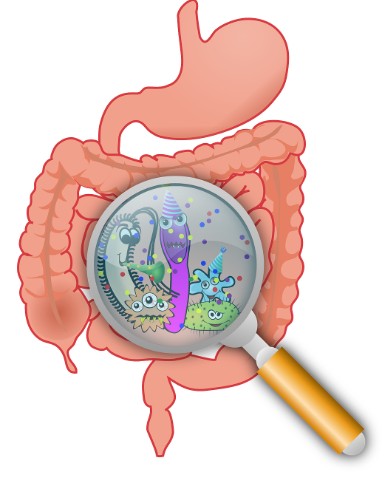
Your motility will change. You should be moving from persistent diarrhea to loose stool, if you have the hydrogen or hydrogen sulfide version of SIBO. You may have less bowel movements as your body is trying to slow down your motility so it can absorb more food. If you had foul smelling output (Steatorrhea), it should be lessening now. It should be free of any blood, excess mucus and excess bile. (See a doctor promptly if you notice any blood in your stool.)
If you seem stuck in progressing through loose stool, you could be experiencing one of the complications, such as bile (BAM), mast cell activation (MCAS) or pancreatic digestive enzyme (EPI) production issues. You will need to step up treatment of these complications before SIBO can heal further. This may also apply to fixing your root cause(s) problem(s), if known.
If you have the methane version of SIBO you should see a lessening of your constipation and easier bowel movements. You may also be taking a prokinetic, which can help facilitate and regulate your motility with constipation during your healing process.
Observation #3 – Sleeping Positions
You will notice less flatulence, abdominal pain or cramps, bloating, nausea or vomiting. Moving around, bending over and lying flat causes less pain and discomfort and will become easier as you continue to heal. Sleeping on either side may produce discomfort. However, laying on your left side keeps the lower esophageal sphincter elevated above the stomach thus reducing acid reflux. Laying on your right side will increase bloating and bowel pressure thus increasing motility. You may find the need to go to the bathroom more at night. Laying on your back with your head elevated (and even your legs) is the best position for reduction of SIBO symptoms.
Observation #4 – Fatigue and Dehydration
You will notice less fatigue and dehydration. Proper hydration with electrolytes and increased food digestion will start correcting malabsorption and vitamin and mineral deficiencies, which should improve energy levels. Restoring any vitamin and mineral deficiencies will take time, so pack your patience during healing.
Observation #5 – Digestion
Your ability to absorb and digest more of your food, either with or without digestive enzyme assistance, will improve. You should also feel more energy as any nutritional deficiencies are resolving or resolved. You may still need to stay on a low FODMAP plan and a limited eating plan during this phase to ensure continued healing.
Observation #6 – Physical Movement
Physical movement is not meant as trips to the bathroom, although that is movement. You should be able to resume more of your household chores or tasks. Note that physical movement, especially bending and lifting, is a natural stimulant to facilitate motility. You may have more bathroom trips while working or trying to exercise. Monitor your energy and abdominal condition, resting when necessary.
Observation #7 – Lymphatics
Your digestive system’s lymphatics will be impaired for a while. If you suffer from Lipedema and lymphedema you may need to limit your compression activities for a while. Moving any lymph fluid, even from remote areas like your legs or neck will impact your gut as your lymphatic system is all connected. Your gut may not be able to handle additional lymph fluid and endotoxins trying to process through the gut for a while.
Personal Experience: It has been about eight weeks that I’ve been in this phase, battling several complications including overactive histamine (MCAS) reactions, bile management (BAM), EPI, leaky gut and lymphatic problems. I need to run some labs to check for any nutritional deficiencies since I have been in this phase for a while. I am also trying to raise my thyroid hormone levels, which was one of the root causes for my SIBO relapse. It is just worse this time around.
I tried to wear my compression garments on my lower legs only and the lymphatic flow made my gut VERY sick, including reverting me to persistent diarrhea and abdominal pain condition. I’ve gained 25 pounds in lymph fluid over these past weeks and unfortunately, I cannot treat my lymphedema in any manner right now without exacerbating my SIBO situation.
Phase II: Remove and Recover
Observation #1 – Herxheimer Reaction
You should not have any further herxheimer reactions during this phase. Your doctor will work with you to determine if further doses of antimicrobials/antifungals or antibiotic treatments are warranted.
Observation #2 – Changes in Motility
You should be having consistent loose stools with intermittent normal formed bowel movements. You will have less bowel movements as your body continues to regulate your motility. You will also be absorbing more from your foods and medications. Digestive enzymes, if you are taking them, may need to continue for a bit longer until you can test your pancreas for return to normal enzyme production.
If you have the methane version of SIBO you should start seeing normal motility and easier bowel movements. You may also need to continue taking a prokinetic until your motility is fully regulated.
Observation #3 – Sleeping Positions
You should be free of flatulence, abdominal pain or cramps, bloating, nausea or vomiting unless you eat a food that triggers your system. Moving around, bending over and lying flat should not cause pain and discomfort as you continue to heal. You may be able to sleep on either side or your back with undue pressure, bloating or acid reflux problems.
Observation #4 – Fatigue and Dehydration
You should experience little to no fatigue or dehydration issues once your motility returns to normal and you have no complications. Continue to hydrate with electrolytes as necessary. You may need to eventually do labs to make sure any vitamin and mineral deficiencies are resolved.
Observation #5 – Digestion
You will be able to increase the variety and quantity of food in your diet, either with or without digestive enzyme assistance. Reintroduce new foods slowly to ensure there are no negative reactions and you can properly digest them. You should also feel more energy. Prioritize prebiotic and probiotic food consumption, if tolerable.
Observation #6 – Physical Movement
You should be able to resume more of your normal routine. Depending on your stool type and frequency you may be able to work outside or even take small trips without the urgent need to use the bathroom. You should not feel any discomfort or need for the bathroom while performing physical activities, such as bending, lifting, carrying or exercising. Continue to rest when needed.
Observation #7 – Lymphatics
You should try to slowly resume lymphatic care ensuring your gut is not negatively impacted. Introduce treatment slowly, such as donning part of your compression garments until you can successfully tolerate wearing all your garments. Slowly add back in pneumatic pumping, MLD (manual lymph drainage), dry brushing or vibration plates. Water activity will probably feel good, especially if your lymphatics were affected body-wide.
SIBO: Treatment and How to Know if You’re Healing Summary
There are treatment options available to help restore your gut microbiome, motility and heal your SIBO. Your doctor will help you design a treatment plan that fits your needs and any complications that are impeding your SIBO recovery. The treatment plan will include 1) a means to detox or means to reduce the bad bacteria in your gut, 2) dietary changes that will ease your symptoms and promote movement towards normal motility, and 3) supplements that help rebuild your digestive system to avoid future SIBO events.
Your detox options can include antibiotics, usually Rifaximin, antimicrobials specialty blends that also include antifungals or a combination of specialty supplements that have the same effects as antibiotics or antimicrobials. Some choices can kill good bacteria as well as bad bacteria further disrupting the balance of the microbiome. However, you may need a strong solution based on the severity of your condition.
Dietary changes are probably the largest change you need to make to eat only foods your stomach and small intestine can tolerate, especially in the early days of SIBO. The most common prescribed diet is a low FODMAP plan, which contains foods that do not ferment in your gut thus feeding the bad bacteria. It is meant as a short-term solution until you can slowly reintroduce high FODMAP foods and return to a regular eating plan.
Another important necessary change is how often you eat. You will need to eat two to three nutritionally balanced meals with a three to four hour window between meals in order for your MMC to work and “sweep” away the bad bacteria, undigested food particles and pathogens. This means NO snacking or grazing in between meals. Sipping tea, water, or coffee during this time is acceptable.
You should investigate taking a quality probiotic to help in the rebuilding the gut microbiome. There are some other beneficial supplements you can take to help you through your healing process. These include prokinetics, for those with constipation, Imodium, for those with diarrhea, activated charcoal, for those with herxheimer symptoms, oil of oregano, for those who need to break down biofilms, and berberine, to help with immunity, digestion and insulin management..
Healing from a SIBO imbalance requires patience and some testing to see what works for your system. It can be a slow process, especially with complications, but there are signs and symptom changes you will notice along the way to indicate you are indeed healing. These can include changes in motility and trips to the bathroom, levels of fatigue, reductions in pain, cramping, flatulence, improved movement and sleeping, and the ability to leave home with bowel confidence. If you suffer from Lipedema or lymphedema, you will be able to slowly resume use of garments, pneumatic pumping, MLD and activities that stimulate lymph movement.
Healing will be slow with some only needing a few weeks and others who may take months. It requires a lot of patience and listening to your body to make the necessary adjustments that lead to healing. Do your research and find the right path that works for you. Healing will happen as long as you stick to your treatment protocol.
Review —> SIBO: Definition, Symptoms, Diagnosis, Causes and Related Conditions – Part 1 and SIBO: Complications Part 2 where I discuss conditions caused by SIBO and other symptoms that cause SIBO.
To Your Improved Health!
References:
- National Library of Medicine (PubMed) – Eubiotic properties of rifaximin: Disruption of the traditional concepts in gut microbiota modulation
- National Library of Medicine – Herbal Therapy Is Equivalent to Rifaximin for the Treatment of Small Intestinal Bacterial Overgrowth
- National Library of Medicine – Berberine and rifaximin effects on small intestinal bacterial overgrowth: Study protocol for an investigator-initiated, double-arm, open-label, randomized clinical trial (BRIEF-SIBO study)
- National Library of Medicine (PubMed) – A Comprehensive Review of the Usefulness of Prebiotics, Probiotics, and Postbiotics in the Diagnosis and Treatment of Small Intestine Bacterial Overgrowth
- National Library of Medicine – New Developments in Prokinetic Therapy for Gastric Motility Disorders
Resources:
- Dr. Westin Childs – 8-Step SIBO Protocol: Diet, Treatment, Supplements & more
- Association between hypothyroidism and small intestinal bacterial overgrowth – PubMed
- [Thyroid-intestinal motility interactions summary] – PubMed
- National Library of Medicine – Small Intestinal Bacterial Overgrowth
- National Library of Medicine – Gut microbiota in patients with kidney stones: a systematic review and meta-analysis
- TrioSmart – Your GLP-1 Might Be Affecting Your Gut More Than You Think
- Sage Journals – GLP-1 Receptor Agonist Use Is Associated With Small Intestinal Bacterial Overgrowth and Intestinal Methanogen Overgrowth
- Philadelphia College of Osteopathic Medicine – Safety, Benefits and Side Effects of GLP-1 Weight Loss Medications
- Rupa Health – A Functional Medicine SIBO Protocol: Testing and Treatment
- MastCell360.com – What is SIFO? Is it a Mast Cell Trigger like Mold?
- National Library of Medicine (PubMed) – Recanalization of port-superior mesenteric vein thrombosis with long-term anticoagulant therapy after failed early anticoagulant therapy
- National Library of Medicine (PubMed) – Association between small intestinal bacterial overgrowth and deep vein thrombosis
- American Journal of Gastroenterology – Small Intestinal Bacterial Overgrowth Increases the Risk for Deep Vein Thrombosis
SIBO: Complications – Part 2
Thyroid and Lipedema Diseases: Life Out of Balance – Part 3
Thyroid and Lipedema Diseases: Life Out of Balance – Part 1
About The Author
